
The race to innovate and capture market share has heightened the urgency for companies to adopt robust IIoT strategies. Digital transformation is no longer a future goal—it’s essential for competitiveness, offering the potential for deeper insights, streamlined processes, and operational efficiencies that give companies a significant edge. However, moving from a concept to tangible implementation is a complex journey. Many organizations encounter obstacles in translating ambitious plans into real-world solutions, often struggling with alignment, accountability, and sustained momentum.
Three key elements to drive the success of an IIoT project
Clear Goals and KPIs
Start by defining specific, measurable objectives that align directly with the business goals. By setting Key Performance Indicators (KPIs) from the outset, the project can remain focused on delivering concrete business value.
Pilot Testing with Proof of Concept
Conducting a smaller-scale proof of concept allows organizations to validate the solution’s ROI and resolve potential challenges early. Starting with a pilot area where quick wins are achievable helps gain stakeholder confidence and secures further support for broader rollout.
Dedicated Champion on the Manufacturing Side
A dedicated champion on the manufacturing side should ensure accountability and alignment between the manufacturing team and software provider. This role facilitates decision-making, removes obstacles, and allows the provider to focus on delivering value without delays from indecision or unauthorized team members.
Expectation Management Across Teams
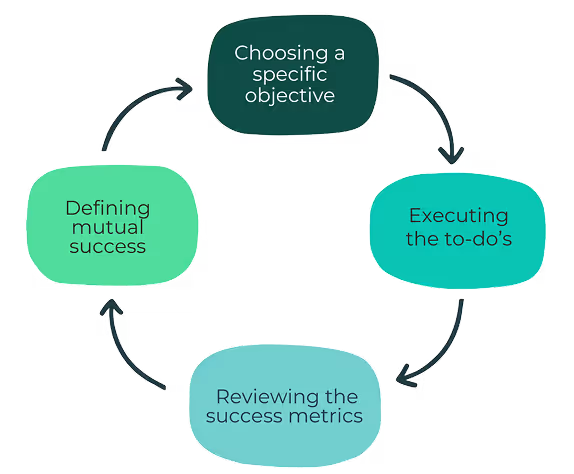
Set Precise Goals and Define Success Together
Both the manufacturer and solution provider should collaboratively establish specific, measurable objectives. For example, if the client aims to reduce machine downtime, define KPIs that measure downtime reduction. This shared clarity helps both parties focus on meaningful results and prevents misunderstandings about project success.
Iterative Testing with Regular Feedback
This includes mapping out the most impactful use cases specific to your factory that can drive immediate improvements. Also, a comprehensive assessment of the readiness of the workforce and systems for adopting advanced technologies is critical to designing the first few steps. These strategies ensure that both sides remain aligned and responsive, increasing the chances of a successful PoC that delivers clear value.
Evaluate These Strengths in Your IIoT Provider
Seamless Integration and Low-Touch Data Collection
Look for a provider that enables plug-and-play data collection and requires minimal manual intervention.
Scalability and Customization
Choose a solution that can grow with the business, adapting to changes in production needs, and offering customization options for specific operational requirements, ensuring long-term alignment with business goals.
Industry-Specific Expertise
Select providers with proven experience in manufacturing to ensure they understand industry challenges and can tailor solutions effectively.
Proactive Support
Opt for providers that offer a responsive service model for ongoing support and maintenance.
Innovation and Intelligence
Prioritize a provider committed to innovation, with solutions that incorporate AI and advanced analytics to provide automated, actionable insights—going beyond traditional reports to add real operational value.
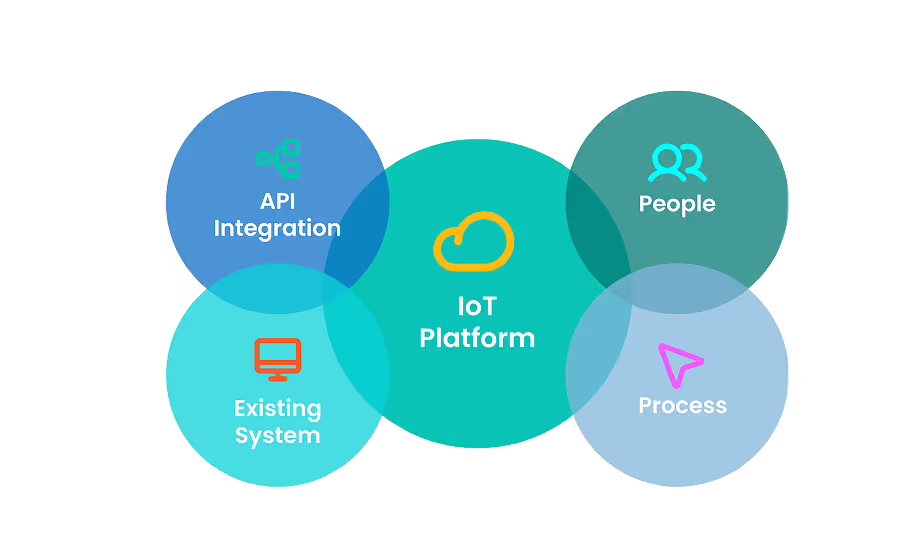
Ensure Interoperability of IIoT with Your Existing Asset Base and Legacy Systems
Prioritize Open Standards
When choosing IIoT solutions, opt for providers who adhere to industry open standards like OPC UA (Open Platform Communications Unified Architecture) and MQTT (Message Queuing Telemetry Transport). These standards facilitate communication across different devices and platforms, allowing data to flow freely between systems.
Invest in Middleware Solutions
Middleware can act as a bridge between new IIoT platforms and legacy systems, translating data and ensuring compatibility. This approach helps reduce integration costs and allows existing systems to “speak” with newer technology.
Focus on Modular and Scalable Solutions
Select IIoT providers that offer modular and scalable solutions, which can be implemented in phases and customized to fit specific operational needs. This modularity allows for incremental integration, reducing the risks associated with large-scale implementations .
Wipro Linecraft AI Ensures Seamless Interoperability
To bridge the gap between client expectations and actual IIoT solution outcomes during the Proof of Concept (PoC) phase, focusing on clear alignment and iterative testing can make a significant difference.
Set Precise Goals and Define Success Together
Both the manufacturer and solution provider should collaboratively establish specific, measurable objectives. For example, if the client aims to reduce machine downtime, define KPIs that measure downtime reduction. This shared clarity helps both parties focus on meaningful results and prevents misunderstandings about project success.
Iterative Testing with Regular Feedback
This includes mapping out the most impactful use cases specific to your factory that can drive immediate improvements. Also, a comprehensive assessment of the readiness of the workforce and systems for adopting advanced technologies is critical to designing the first few steps. These strategies ensure that both sides remain aligned and responsive, increasing the chances of a successful PoC that delivers clear value.
Linecraft’s Client Support and Training Resources
To bridge the gap between client expectations and actual IIoT solution outcomes during the Proof of Concept (PoC) phase, focusing on clear alignment and iterative testing can make a significant difference.
Comprehensive Onboarding and Training
Linecraft provides thorough onboarding and training sessions tailored to each client's needs. This includes hands-on guidance, interactive tutorials, and access to a dedicated support team, ensuring that clients are well-equipped to operate and optimize the system from day one.
Iterative Testing with Regular Feedback
To maintain momentum post-implementation, Linecraft offers ongoing support with a resource library, including training videos, webinars, and troubleshooting guides. Additionally, we provide access to a dedicated customer success manager to address any challenges, enabling clients to continuously improve their operations with confidence. By focusing on interoperability, low-touch automation, and strong customer support, Linecraft minimizes integration complexities and empowers clients to fully leverage the benefits of IIoT, regardless of their starting point in the digital transformation journey.
My Advice to Manufacturers who are Starting their Industry 4.0 Journey
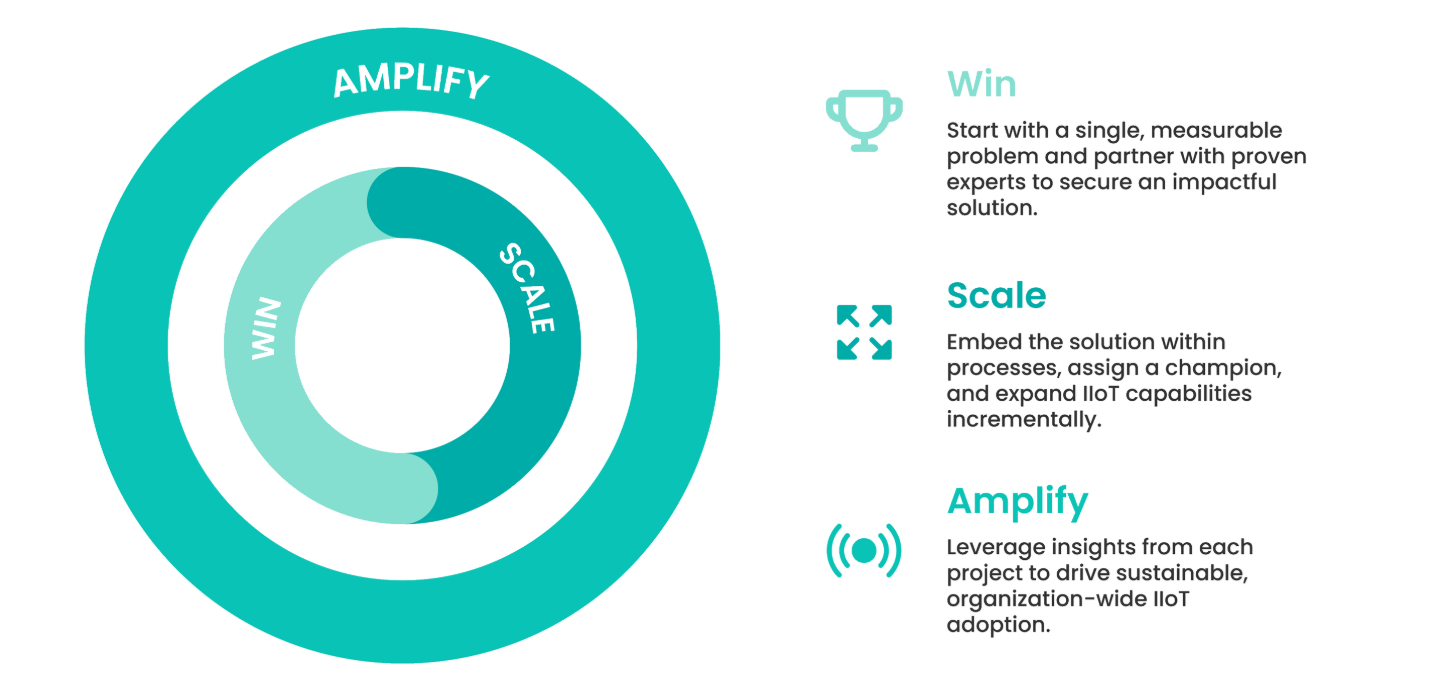
For manufacturers just starting their IIoT transformation, my advice is to begin with a single,
well-defined
problem—one where the impact of solving (or not solving) it is clear and measurable. Concentrate
your efforts on
this specific issue and select a solution or provider with proven expertise in addressing it.
Provide the necessary
support to ensure they can deliver a solution within a defined timeline.
As you move forward, identify a champion within the organization who will be accountable for these
improvements.
This individual will help ensure the solution becomes embedded within your processes, rather than
remaining a
one-off project. Once this initial issue is resolved, take on the next two specific problems. Use
the insights from
the first project to scale IIoT capabilities from one area to another, rather than attempting a
broad, generalized
approach. This staged strategy fosters sustainable, organization-wide IIoT adoption.
Ready to bridge your factory's legacy gap?
Learn how our low-touch, scalable AI platform gives a new lease of life to your existing equipment lines.