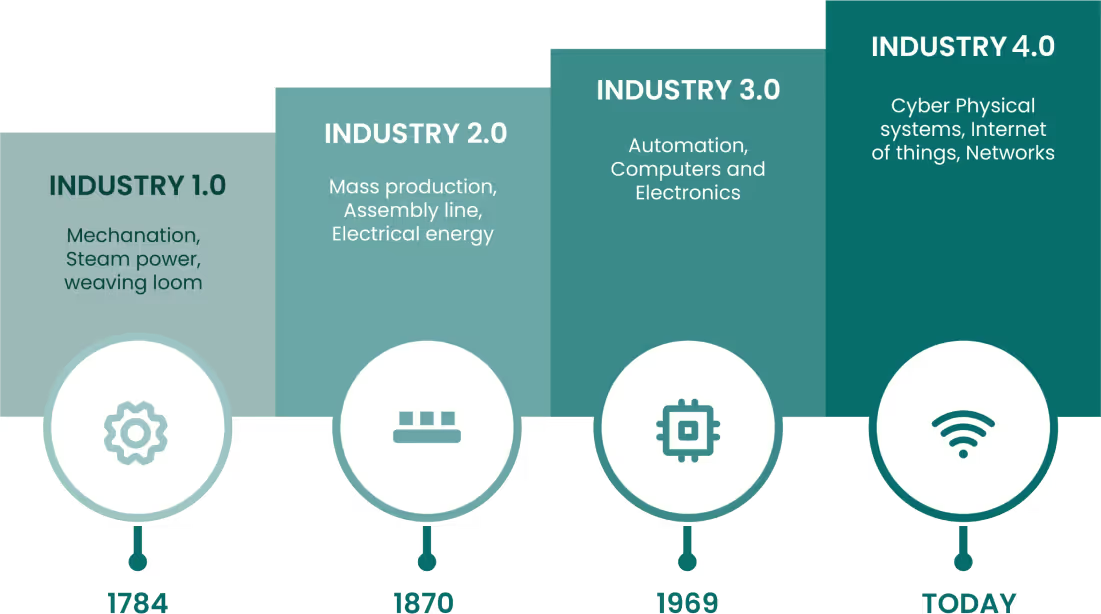
How We Got Here: From Manual Operations to Robotics and Beyond
Over the last two decades, India’s manufacturing sector has undergone a profound transformation,
which can be
categorised as a generational shift. Initially, operations were predominantly manually driven, with
limited
automation and heavy reliance on manual labour. We witnessed a steady transition towards
semi-automation, eventually
integrating higher levels of robotics and now - fully automated systems which enable highly
efficient and precise
operations. This shift has been driven by the demand for greater productivity, improved quality, and
enhanced cost
efficiency.
A significant cultural shift has also occurred with the adoption of industrial digitalization
through Information
Technology (IT) in daily operations. IT systems now play a pivotal role in managing everything from
inventory
control to production scheduling, improving operational visibility and control. The transition from
paper-based
processes to digitized, system-driven workflows has further enhanced data sharing across the value
chain. This
movement towards a connected, data-driven ecosystem is empowering Indian manufacturers to compete on
the global
stage.
Industry 4.0 Technologies In India; Trends and Challenges for Indian Manufacturers
India's adoption of Industry 4.0 technologies is currently at a pivotal inflection point. India’s
startup ecosystem
has been at the forefront of adopting Industry 4.0 manufacturing tools such as cloud computing, IoT,
and AI. These
nimble companies have been able to innovate and experiment with Industry 4.0 use cases without the
constraints faced
by legacy players.
On the other hand, more established, traditional manufacturers are also making strides, albeit at a
more gradual
pace. Many of these companies have already begun implementing automation in manufacturing, but
challenges such as
legacy infrastructure, skill gaps, and resistance to change persist.
India has also been a key participant in global Industry 4.0 initiatives such as McKinsey’s
Lighthouse program.
India has also been a key participant in global Industry 4.0 initiatives such as McKinsey’s
Lighthouse program.
Several Indian manufacturing giants have emerged as pioneers in adopting Industry 4.0 technologies,
demonstrating
significant improvements in operational efficiency, cost management, and product quality. These
early adopters have
set benchmarks for the broader industry, showing that with the right strategic investments, the
potential for
success is immense.
The adoption of Industry 4.0 in India is no longer optional for manufacturers, as it delivers
substantial benefits,
including enhanced labor productivity, reduced machine downtimes, improved throughput, and higher
quality and
traceability—leading to significant cost reductions in quality management.
However, key challenges in India include a shortage of skilled workforce, resistance to adopting new
technologies,
and infrastructural constraints. As awareness and education on Industry 4.0 impact grow, these
barriers are
gradually being overcome.
Industry 4.0 Technologies That Are Most Relevant for Indian Manufacturing
Several Indians have emerged as pioneers in the adoption of I4.0 technologies, demonstrating significant improvements in operational efficiency, cost management, and product quality. These early adopters have set benchmarks for the broader industry, showing that with the right strategic investments, the potential for success is immense. The key challenges in India include a shortage of skilled workforce, resistance to adopting new technologies, and infrastructural constraints. As awareness and education on I4.0 grow, these barriers are gradually being overcome.
Which specific technologies of Industry 4.0 are most relevant for Indian manufacturing, and why?
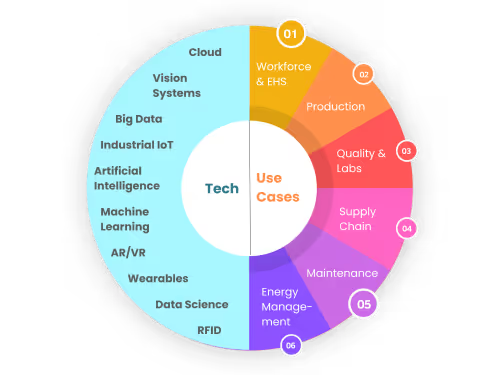
The adoption of Industry 4.0 is no longer optional for manufacturers, as it delivers substantial benefits including enhanced labor productivity, reduced machine downtime, improved throughput, and higher quality and traceability—leading to significant cost reductions in quality management. In my opinion, following are the most disruptive technologies that are not only relevant but also highly impactful for Indian manufacturing.
Transitioning from Legacy to Modern Systems? Here's What You Need to Know.
To successfully transition from legacy systems to modern Industry 4.0 technologies, manufacturers must take a structured and phased approach to minimise risks and ensure seamless adoption.
Stakeholder alignment is critical for success
For any IoT or Industry 4.0 initiative to succeed, there needs to be 100% buy-in from all key stakeholders across the organisation, from top leadership to shop floor employees. Their understanding and commitment will drive the success of the transformation.
Evaluation of current pain points will chart the path forward
This includes mapping out the most impactful use cases specific to your factory that can drive immediate improvements. Also, a comprehensive assessment of the readiness of the workforce and systems for adopting advanced technologies is critical to designing the first few steps.
A phased rollout will bring more agility
A clear roadmap should be built which breaks down the implementation into multiple phases. The key is starting small with specific use cases and ensuring that each phase is manageable, measurable, and aligned with the company’s broader strategic goals
Lastly, manufacturers must partner with the right technology providers who bring deep industry expertise and can support the entire journey, from the initial assessment to implementation and beyond. An ideal technology partner will help you optimally address any technical challenges, guide process optimization, and ensure that the transition is as smooth as possible.
At Wipro Linecraft AI, we provide AI-driven solutions that streamline workflows, optimize processes, and address technical challenges. Its low-touch integration and scalable design ensure a smooth transition, empowering manufacturers to effectively embrace Industry 4.0 technologies.
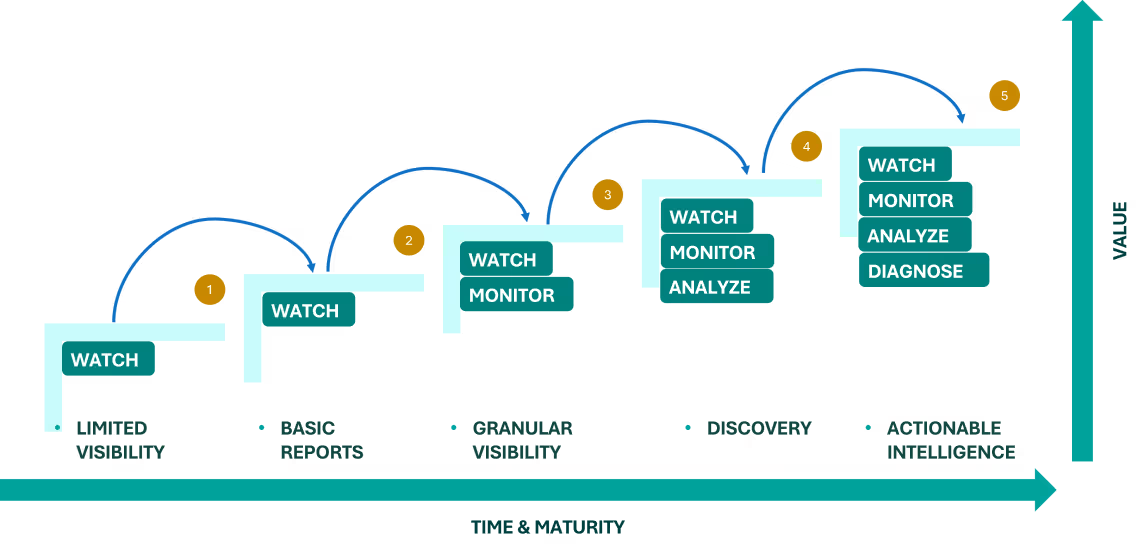
There needs to be a shift in mindset before there is a shift in capacity.
Instead of just undertaking more capital expenditure, the focus should be on enhancing the existing
asset base.
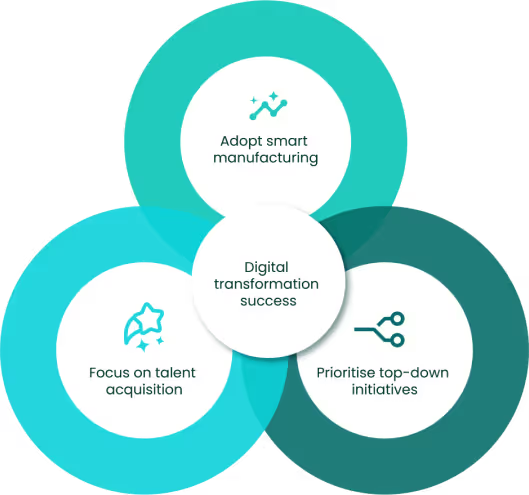
Adopting Smart manufacturing, analytics and IoT will give a new lease of life to existing asset-base
thereby
maximising the profits.
The manufacturing landscape is evolving rapidly, and companies that rely on outdated models risk
falling behind. It
is imperative to embrace continuous innovation and adaptability.
Industry 4.0 deployments in seasoned organisations should prioritise top-down initiatives broken
into smaller,
manageable projects.
Rather than aggregating numerous Proof of Concepts (PoCs), companies should align their strategy
around specific,
scalable, incremental implementations that are tightly bound with business objectives.
They must focus on talent acquisition and upskilling to ensure the workforce is equipped with the
necessary skills
to leverage Industry 4.0 technologies effectively.
Maintaining resilience in this dynamic environment requires a focus on operational flexibility, a
commitment to
digital transformation, and an ongoing investment in both technology and human capital.
Ready to bridge your factory's legacy gap?
Learn how our low-touch, scalable AI platform gives a new lease of life to your existing equipment lines.